The Journal · Design
Hearth and Home: The Fireplace Through the Centuries
The fireplace started as the house's only source of heat. It ended up as its centerpiece.
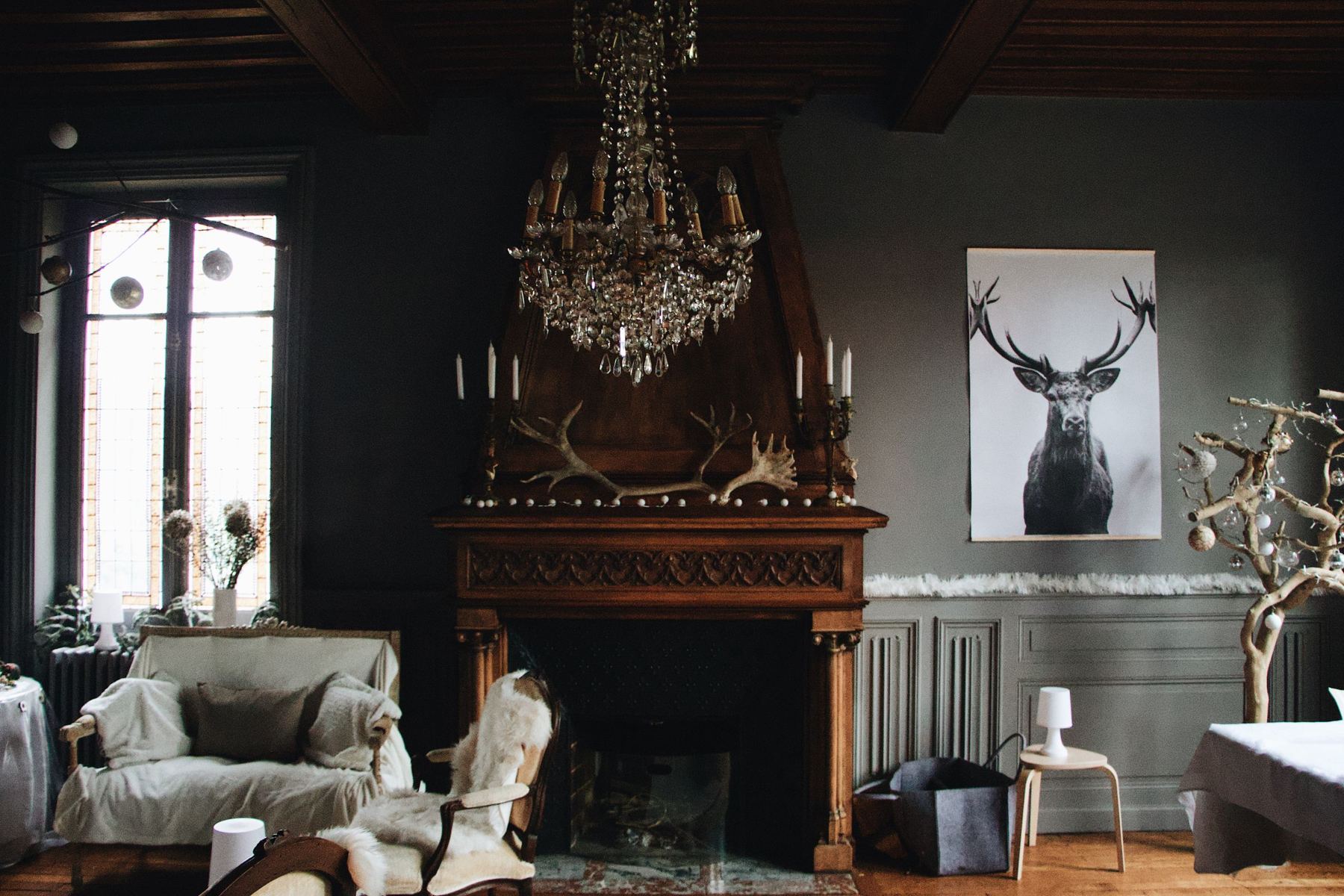
Before central heating, the fire was the reason a room was usable at all. Its position decided where people sat, where they ate and where they gathered, and so it became the natural focus of design.
The great hall fire
In medieval halls, a fire often burned in the middle of the floor, with smoke escaping through the roof. Wall fireplaces with chimneys spread through the fifteenth and sixteenth centuries, and suddenly every room could have its own fire.
The chimneypiece as art
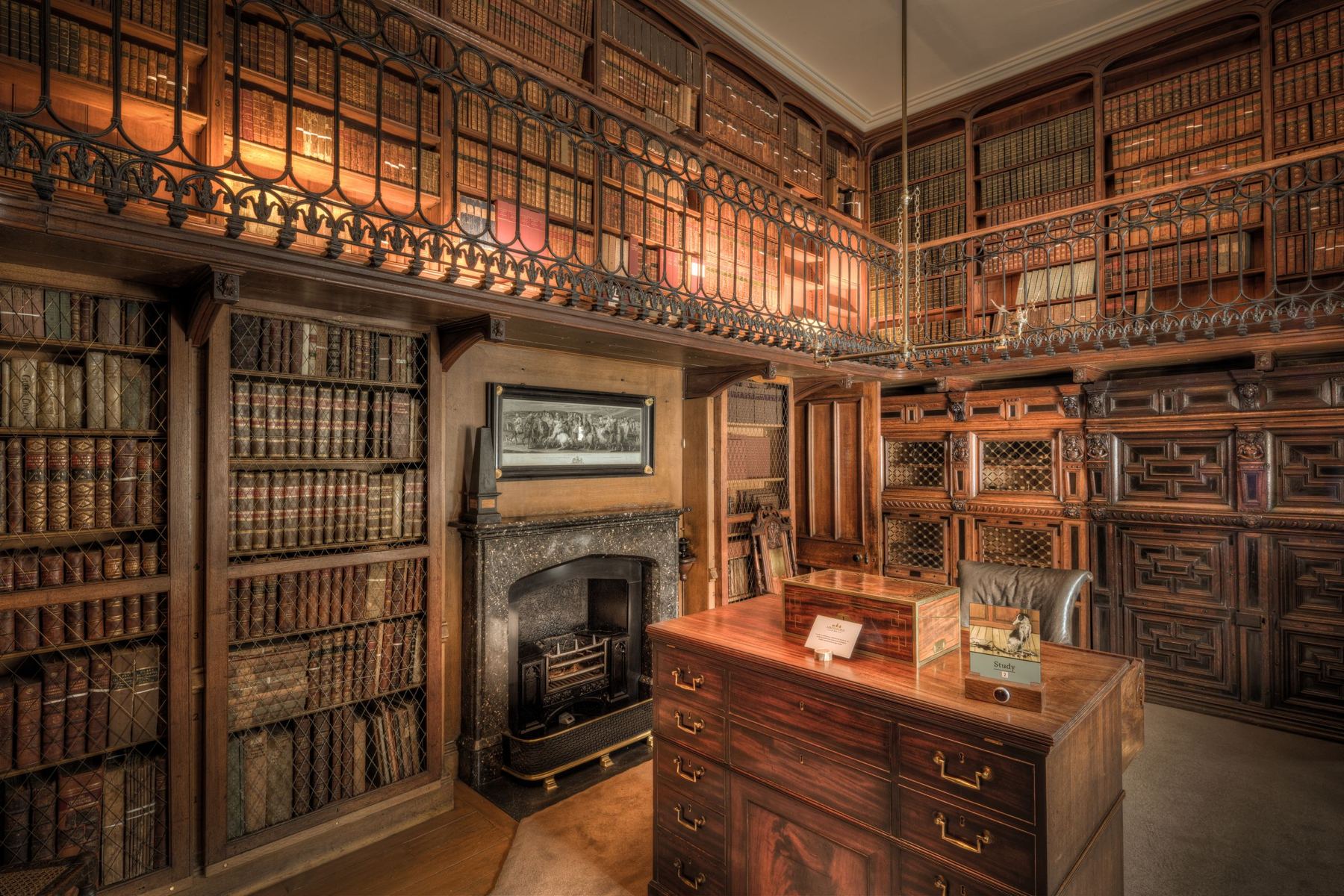
Once the fireplace moved to the wall, it became a frame. Carved stone and marble chimneypieces, overmantels with paintings or mirrors, and elaborate grates turned the hearth into the most decorated part of the room.
Why we keep them
Today a fireplace is rarely needed for heat, yet buyers still ask for one. A fire gives a room a center, a sound and a slow, moving light that nothing else quite replaces.