The Journal · Architecture
How to Read a Great House Facade
Windows, gables and columns tell you when a house was built and what its owners wanted you to think.
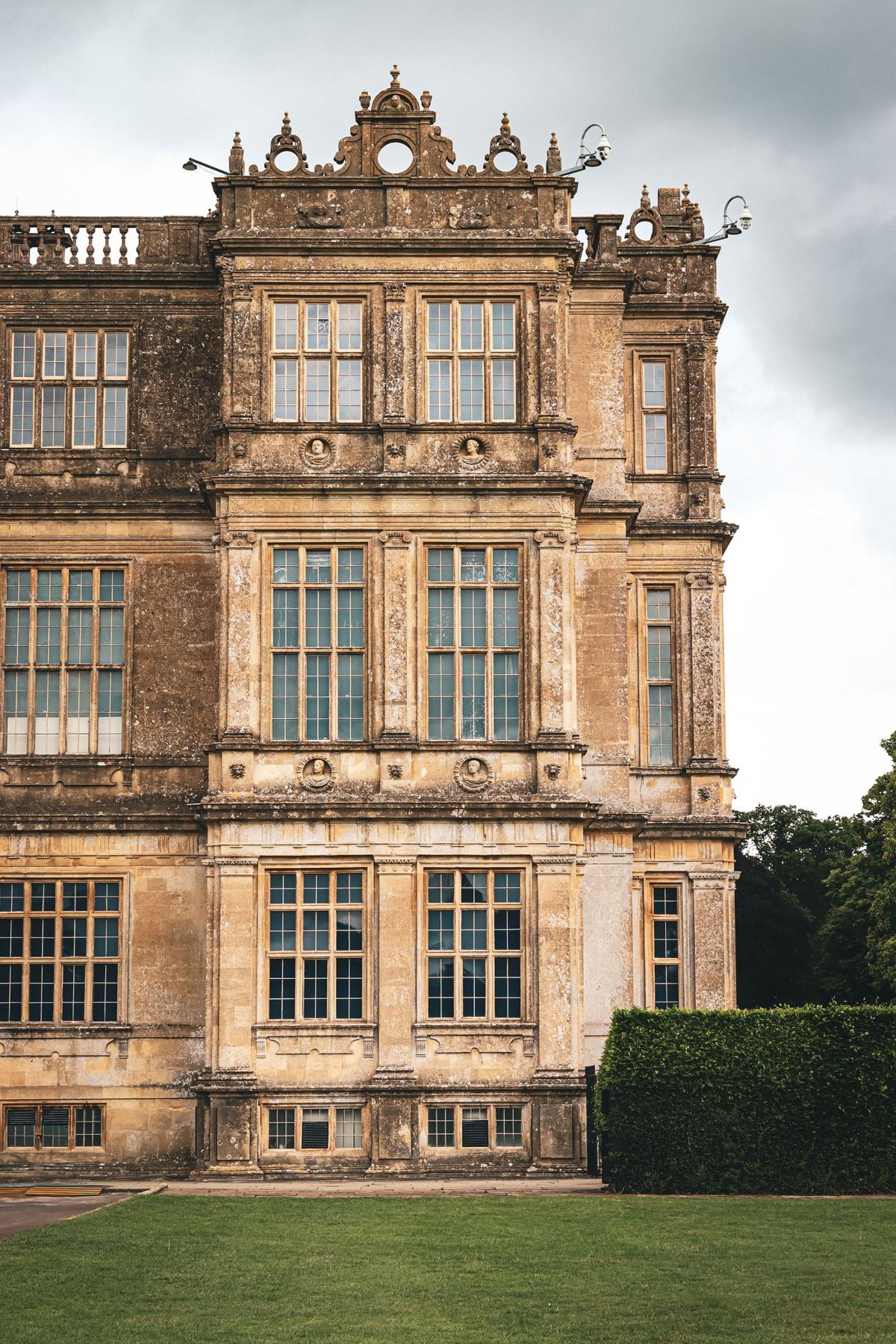
Stand in front of any grand house and it is already talking to you. The shape of its windows, the line of its roof and the way its front door is framed all carry clues about when it was built and who it was built for.
Start with the windows
Tall stone-mullioned windows divided into many small panes usually point to the sixteenth or early seventeenth century, when glass was expensive and a wall of it was a boast. Sash windows, sliding up and down in evenly spaced rows, arrived later and became the signature of the Georgian era.
Look at the roofline
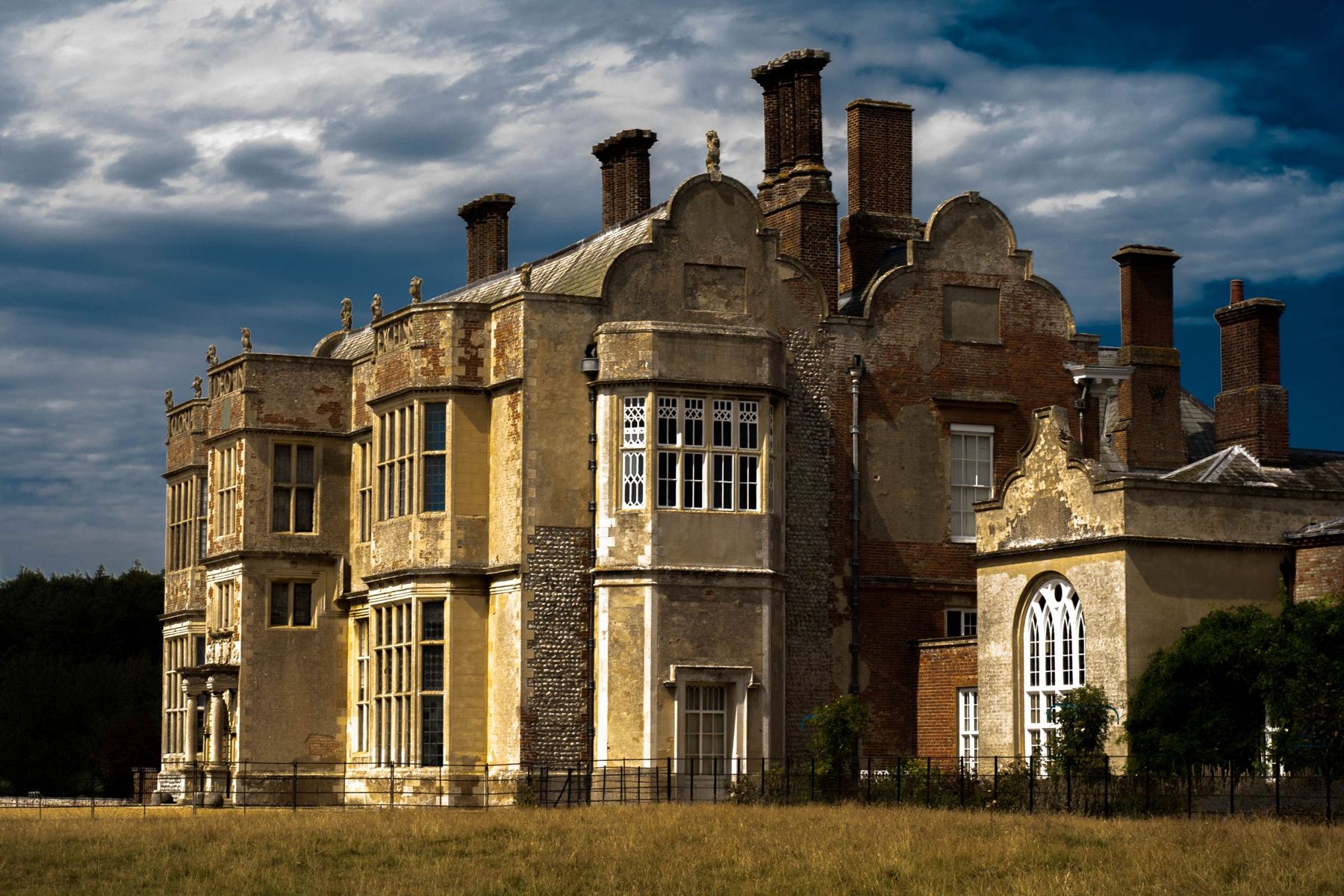
A busy skyline of shaped gables, chimneys and finials suggests Jacobean taste. A calm, low roof hidden behind a parapet, with a central triangular pediment, suggests the classical rules of the eighteenth century.
Find the center
Symmetry was a sign of education and order. If the front door sits exactly at the center with matching wings on either side, the builders were thinking classically. If the entrance is off to one side, the house may be older, or it may have grown over several generations.
Notice the material
Local stone, brick or timber tells you about the region. Smooth, precisely cut stone, called ashlar, was costly and reserved for the front; the sides and back of the same house are often rougher. Walk around, and the house will tell you where its money was spent.